Dependable Asphalt Installation Contractor for Resilient Driveways and Roads
Finding a reputable road contractor is indispensable for delivering solid surfaces and streets. Informed choice promises resilience find now and standards in construction work. Points like credentials, feedback, and construction expertise greatly affect the outcome. Recognizing the specifics of cost and maintenance can meaningfully strengthen the selection experience. As land holders consider their selections, many key points call for meticulous evaluation to guarantee a rewarding project. Which aspects should they highlight in their search?
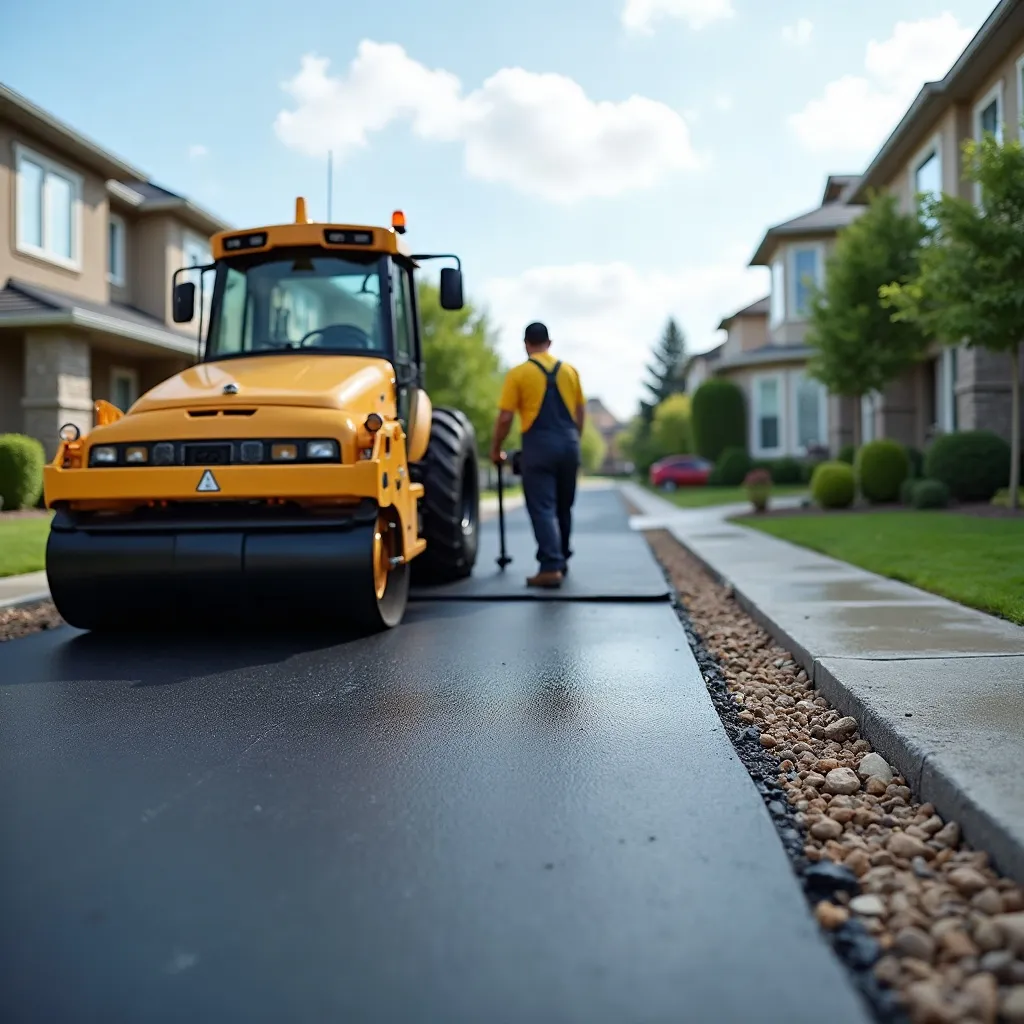
Tips for Choosing an Seasoned Paving Contractor
When choosing an seasoned paving contractor, one might wonder what important considerations to assess. First, it is crucial to verify the contractor's credentials, including permits and coverage, to verify compliance with local regulations and safeguard against liabilities. Next, examining client reviews and past project portfolios can offer insight into the contractor's quality of work and dependability.
Moreover, collecting multiple quotes can enable you to assess the market rate for jobs and spot any problem areas, like abnormally low quotes. Proficiency in specific paving types, such as residential driveways or commercial parking lots, is an valuable factor because specialized knowledge usually leads to better results. Communication are essential; a contractor must be attentive and prepared to answer any questions or concerns. Finally, considering warranties provided can signal the contractor’s certainty in their work and their dedication to customer satisfaction.
Top Selections for Your Driveway
When choosing options for a driveway, homeowners often consider the advantages and disadvantages of asphalt and concrete. Each option offers distinct features that can affect durability and cost. Additionally, gravel provides a more affordable alternative but comes with its own set of advantages and disadvantages.
Asphalt vs. Concrete Options
Which type gives the best blend of wear resistance and cost for driveway construction: asphalt or concrete? Asphalt is commonly preferred for its minimal initial cost and quicker assembly. It typically supplies a flat exterior that can bear extreme weather situations, positioning it a practical choice for many householders. Still, asphalt requires regular servicing, comprising sealing and resurfacing, to maintain its working life.
Similarly, concrete is known for its longevity and minimal maintenance requirements. With proper installation, concrete driveways can stand over 30 years. Additionally, concrete provides a array of aesthetic options, including embellished surfaces. While the initial expenditure is higher, the reduced maintenance needs can render it a economical answer over time. Ultimately, the determination is determined by individual preferences and budget.
Gravel Advantages and Disadvantages
While bitumen and cement are popular options for driveways, gravel also presents a feasible option with its own set of benefits and drawbacks. One significant advantage of gravel is its affordability; it generally requires a smaller initial investment compared to asphalt and concrete. Additionally, gravel offers superior drainage, minimizing the risk of water pooling. However, it is not without its challenges. Gravel driveways can require frequent maintenance, such as periodic replenishment and raking to maintain an even surface. Furthermore, they may pose issues with erosion and can be less stable for high-traffic areas. Ultimately, the decision to choose gravel should consider both its cost-effectiveness and the homeowner's willingness to invest in continuous upkeep.
Reviewing Customer Reviews: What to Evaluate
How can potential clients determine the quality of a paving contractor through customer reviews? Assessing these reviews requires attention to specific factors. First, clients should look for overall ratings; a high average score often indicates satisfactory service. Next, the number of reviews is vital; a larger volume provides a more reliable picture of the contractor's performance.
Clients should also investigate the details of individual feedback. Complimentary feedback about timeliness, dialogue, and work quality is required. Additionally, consistent patterns in negative reviews, such as lacking customer service or project delays, can point to prospective challenges.
Moreover, responses from the contractor to reviews reveal their competence and commitment to client fulfillment. Lastly, consider feedback from multiple channels to get a complete outlook. By focusing on these aspects, prospective clients can reach informed choices concerning their paving contractor.
Important Questions to Present to Your Paving Contractor
When selecting a pavement specialist, asking pertinent questions can substantially impact the final output. It is crucial to ask about the contractor's experience level and the categories of projects they have undertaken. Grasping their strategy regarding materials and techniques can also deliver perspective on the quality of work to expect.
Prospective clients should inquire regarding insurance and licensing to guarantee the contractor meets regulatory standards and is protected against possible risks. Additionally, discussing the project completion timeline and any potential delays is crucial.
Seeking warranties on both supplies and workmanship can safeguard your investment. Finally, it's helpful to request for references or examples of past work to assess the contractor's trustworthiness and craftsmanship. These inquiries not only clarify goals but also create a foundation for productive communication throughout the project.
Paving Costs: What to Anticipate
Understanding paving costs is critical for homeowners considering a project. Diverse variables, including material options and costs, markedly influence the overall expense. Likewise, evaluating sustained advantages can help in making well-considered choices about pavement projects.
Factors Determining Paving Prices
Multiple elements influence paving costs, making it vital for property owners to understand the variables at play. One significant aspect is the size of the area to be paved; larger spaces typically incur higher costs due to increased material and labor requirements. Additionally, site conditions, such as soil quality and drainage, can affect pricing, as extensive preparation may be needed. Local labor rates also play an important role; areas with a higher cost of living often have elevated labor expenses. Moreover, the complexity of the project, including intricate designs or existing structures, can lead to added costs. Finally, seasonal factors may influence pricing, as contractors often adjust rates based on demand fluctuations throughout the year.
Material Options and Price
A variety of material selections substantially influence paving costs, each offering unique benefits and price ranges. Asphalt, known for its affordability and speedy installation, typically ranges from $3 to $5 per square foot. Concrete, although more resilient, may range between $4 and $8 per square foot, depending on finish and thickness. Pavers, made from brick or stone, offer aesthetic appeal but generally range from $10 to $20 per square foot, including installation. Additionally, water-absorbent paving systems, which enable drainage, may cost more due to their specialized materials and installation techniques. Homeowners must consider these options carefully, balancing initial costs with expected durability and practical utility for their driveways and roads.
The Role of Coverage Plans and Aftercare Support
When selecting a dependable paving contractor, the significance of warranties and maintenance support cannot be overlooked. Warranties function as a protection for customers, guaranteeing that any defects in materials or workmanship are addressed at no extra charge. A trustworthy contractor typically offers an comprehensive warranty that reflects their faith in the caliber of their work.
In conjunction with warranties, aftercare support function as an essential role in safeguarding the longevity of paved surfaces. Regular care, such as protective sealing and damage repair, can stop more extensive damage and substantial expenses down the line. A contractor that provides ongoing support proves a commitment to client success and the durability of their work.
Therefore, guarantees and maintenance support not only increase the value of the primary expenditure but also deliver peace of mind for residential and commercial clients alike. A credible service provider focuses on these aspects, creating trust and long-term relationships with patrons.
Frequently Questioned Topics
How much time Does the Paving Process Typically Take?
Asphalt installation usually takes one to three days, contingent on the project's size and intricacy. Components including weather, site setup, and supply selection can further impact the complete duration markedly.
Which Climate Conditions Influence Pavement Work?
Environmental conditions play a major role in paving work. Rain, snow, and extreme temperatures can hinder projects, while humidity levels impact the curing process. Ideal conditions, typically dry and mild, provide better adhesion and durability of the pavement.
How Do I Keep My Recently Installed Driveway?
To keep a new driveway in good condition, you should focus on frequent washing, sealing every few years, and repairing cracks quickly. Additionally, preventing excessive weight and using appropriate snow removal techniques will prolong its lifespan and preserve its appearance.
Are there environmentally conscious pavement choices accessible?
Certainly, numerous green pavement options are accessible, like permeable pavers, reclaimed asphalt materials, and alternative concretes created from sustainable materials. These selections aid in reducing environmental impact while supplying tough and practical surfaces for driveways and walkways.
Do I Require a Permit for Paving Work?
Permits may be required for paving projects, according to local requirements. Homeowners should consult their municipal planning department to clarify exact stipulations, assuring compliance and preventing potential fines or project delays during construction.